Özet
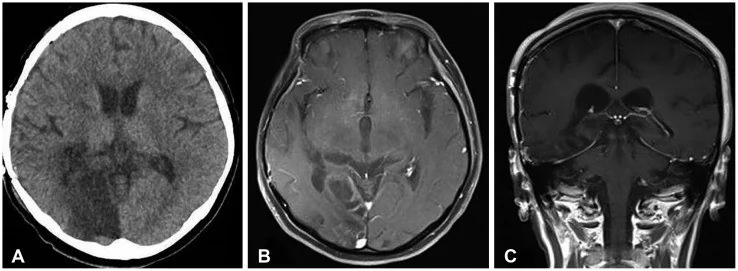
PCA infarktı, görme alanı kaybı veya bellek-duyu bulgularıyla gelen hastada oksipital korteksin yanı sıra derin talamik dalların da taranmasını gerektirir. Kontrastsız BT kanamayı dışlar; gelişmiş infarktta oksipital gri-beyaz ayrım kaybı, medial temporal ödem veya talamik hipodensite görülebilir, ancak erken küçük lezyon BT'de belirsiz kalabilir. BT anjiyografi P1-P2 ve distal PCA akımını, baziler tepeyi ve olası fetal PCA anatomisini göstererek parankim bulgusunun damar kaynağını aydınlatır. Oksipital odağı görmekle inceleme bitirilirse eşlik eden talamus, mezensefalon veya diğer posterior dolaşım infarktları atlanabilir.
Faz ve pencere
- Kontrastsız tanısal
- PCA kortikal alanında oksipital veya inferomedial temporal korteks hafif hipodensleşir, gri-beyaz sınır silinir ve sulkuslar daralabilir; derin dal tutulumunda talamus ya da rostral mezensefalonda fokal hipodensite aranır. Kontrast fazı parankim infarktını saptamak için gerekli değildir.
- BTA tanısal
- CT anjiyografi PCA oklüzyonunu gösterebilir; fetal PCA varyasyonlarında oksipital dolaşım iç karotid kökenli olabilir.
Önerilen pencereler: İnme (G 40 / M 40), Beyin (G 80 / M 40), Anjiyo (G 600 / M 150).
BT bulguları
- Oksipital gri-beyaz ayrım kaybı — kalkarin fissür çevresinde korteks ve komşu beyaz cevher birbirinden silikleşir.
- Medial oksipital sulkus silinmesi — lingual girus veya kuneus şişerek komşu sulkusları daraltır.
- İnferomedial temporal hipodensite — parahipokampal girus ve medial temporal dokuda PCA dal alanına uyan ödem görülür.
- PCA dallarının alanına giren talamik tutulum derin gri cevherde hipodensite olarak izlenebilir.
- Baziler tepe veya PCA hiperdensitesi — kontrastsız görüntüde trombüs olasılığını düşündürür; damar çapı, hematokrit ve komşu damarlarla kıyas gerekir.
- Çok odaklı posterior dağılım — oksipital korteksle birlikte talamus, medial temporal lob ya da mezensefalonda ek odaklar embolik veya proksimal damar lezyonunu düşündürür.
- Geç dönem infarkt alanında ensefalomalazi ve atrofi görülebilir.
Normalde
Kalkarin fissür ve komşu sulcusların simetrik yapısı değerlendirilmelidir. Talamusların yoğunluğunu ve şekil simetrisini aynı kesitte karşılaştırın; oksipital oluk silinmesi, tek taraflı kortikal şişme ve derin gri cevherde fokal solukluk arayın.
Normal BT ile kıyasla
Aynı bölgenin, kaynak veri setinde patoloji içermediği belirtilen bir BT incelemesini kesit kesit kaydırın; organ sınırlarını açarak anatomiyi hasta görüntüsüyle karşılaştırın. Küçük rastlantısal bulgular tümüyle dışlanmamıştır.
Kaynak: TotalSegmentator v2.01 veri seti (Wasserthal ve ark., Radiology: Artificial Intelligence 2023), CC BY 4.0, vaka s0103; organ sınırları veri setinin otomatik segmentasyonundan, birleştirilerek sadeleştirildi. Görüntüler 2,5 mm kesit aralığına yeniden örneklendi.
Ayırıcı tanı
- PRES
- çoğunlukla iki taraflı posterior subkortikal ödem oluşturur ve arteriyel PCA sınırına tam uymaz; BT hipodensitesi simetrik olabilir.
- Posterior serebral ven trombozu
- temporal/oksipital ödem ve hemorajik dönüşüm yapabilir; venöz sinüste hiperdens trombüs veya dolum kusuru aranır.
- Nöbet sonrası oksipital değişiklik
- kortikal şişme PCA alanını aşabilir ve eşlik eden damar tıkanıklığı bulunmayabilir; takipte gerileme ayırıcıdır.
- Oksipital kitle
- kitle etkisi veya çevresel ödem yapar; keskin bir arteriyel dağılım yerine fokal hacim kaplayıcı görünüm ve gerekirse kontrastlanma beklenir.
- Eski PCA infarktı
- hipodensiteye kortikal hacim kaybı ve genişlemiş sulkuslar eşlik eder; akut infarkttaki şişme ve sulkus basısı görülmez.
Tuzaklar
- Erken PCA iskemisi kontrastsız BT'de görünmeyebilir; şüpheyi yalnız normal oksipital korteks görünümüne dayanarak kapatmayın.
- Oksipital lezyonda karşı hemisferi değerlendirmek tek başına yetmez; eşzamanlı talamus ve medial temporal lob tutulumunu kesitler boyunca arayın.
- Fetal PCA anatomisi oksipital infarktı karotis kaynaklı emboliyle ilişkilendirebilir; yalnız baziler tepeye bakmak proksimal nedeni kaçırabilir.
Kendini dene
Ani homonim görme alanı kaybı olan hastada sol oksipital korteks ve sol talamusta hipodensite var. En uygun tanım hangisidir?
Cevabı göster
Sol PCA alanı infarktı. PCA hem oksipital korteksi hem de talamusun çeşitli derin alanlarını besler. ACA ve MCA, terminal internal karotid arterin önemli dallarıdır.
İki taraflı posterior subkortikal ödem arter sınırlarını izlemiyor; PCA dalları BTA'da açık. Hangi taklitçi daha olasıdır?
Cevabı göster
Posterior reversibl ensefalopati. İki taraflı posterior ödemin damar alanına uymaması ve PCA'ların açık olması PRES'i destekler. İki taraflı posterior beyaz cevherde ödem arteriyel sınır izlemez ve PCA'ların açık olması PRES'i destekler.
Kaynaklar
Bu sayfadaki 37 cümle ve 2 quiz sorusu aşağıdaki kaynaklardan alıntılarla tek tek karşılaştırıldı; 6 cümle bu karşılaştırmada düzeltildi (2026-10-08).
- Case 232: Amyloid β-related Angiitis.pubmed.ncbi.nlm.nih.gov
- Lateral Ventricular Meningioma Presenting with Intraventricular Hemorrhage.pubmed.ncbi.nlm.nih.gov
- Study on the correlation of vertebral artery dominance, basilar artery curvature and posterior circulation infarction.pubmed.ncbi.nlm.nih.gov
- Bilateral diffuse intracerebral hemorrhagic infarction after cranioplasty with autologous bone graft.pubmed.ncbi.nlm.nih.gov
- Safety of Intravenous Thrombolysis and Mechanical Thrombectomy in Bilateral Posterior Cerebral Artery Territory Infarction.pubmed.ncbi.nlm.nih.gov
- Diagnosis and treatment of Watershed strokes: a narrative review.pubmed.ncbi.nlm.nih.gov
- Carotid Web Misdiagnosis.pubmed.ncbi.nlm.nih.gov
- MRI of Cerebellar Infarction.pubmed.ncbi.nlm.nih.gov
- Posterior atlantoaxial fusion using a C2 transverse foramen-penetrating screw: A technical note.pubmed.ncbi.nlm.nih.gov
- Repetitive Episodic Isolated Vertigo in a Patient with Cerebellar Infarction.pubmed.ncbi.nlm.nih.gov
- Just a "Puff of Smoke".pubmed.ncbi.nlm.nih.gov
- Hyperplastic Anterior Choroidal Artery-A Rare Variant Detected on MR Angiography.pubmed.ncbi.nlm.nih.gov
- The pathogenesis of cerebral small vessel disease and vascular cognitive impairment.pubmed.ncbi.nlm.nih.gov
- Eye Signs in Stroke.pubmed.ncbi.nlm.nih.gov
- Clinical presentation of vertebrobasilar stroke.pubmed.ncbi.nlm.nih.gov
- Current state and advancements of imaging in acute ischemic stroke: a practical review.pubmed.ncbi.nlm.nih.gov
- Stroke or Seizure? Diagnostic Role of Neuroimaging in Acute Neurologic Mimics.pubmed.ncbi.nlm.nih.gov
- Contrast extravasation on Dyna-CT as a predictor of malignant brain edema after mechanical thrombectomy for acute anterior circulation large vessel occlusion.pubmed.ncbi.nlm.nih.gov
- Multimodal Monitoring in Eclamptic Intracerebral Hemorrhage Complicated by Reversible Cerebral Vasoconstriction Syndrome (RCVS): A Case Report.pubmed.ncbi.nlm.nih.gov
- Delayed mass effect following endovascular coiling of posterior inferior cerebellar artery aneurysms: Mechanism and treatment strategy: A case report.pubmed.ncbi.nlm.nih.gov
- Thalamo-mesencephalic Branches of the Posterior Cerebral Artery: a 3D Rotational Angiography Study.pubmed.ncbi.nlm.nih.gov
- The human frontal lobes and frontal network systems: an evolutionary, clinical, and treatment perspective.pubmed.ncbi.nlm.nih.gov
- Commentary: an eye on PET quantification.pubmed.ncbi.nlm.nih.gov
- Multimodality Imaging of Moyamoya Disease: A Practical Guide for Neuroradiologists Based on a Case Report.pubmed.ncbi.nlm.nih.gov
- Neurological manifestations and neuroimaging findings in patients with SARS-CoV2-a systematic review.pubmed.ncbi.nlm.nih.gov
- Multiterritory Acute Ischemic Stroke with Bilateral Middle Cerebellar Peduncle T2/FLAIR Hyperintensities in the Setting of a Fatal Systemic Arterial Thrombotic Process: A Case Report.pubmed.ncbi.nlm.nih.gov
- Role of Low-Field MRI in Acute Stroke.pubmed.ncbi.nlm.nih.gov
- Endovascular thrombectomy for subterminal internal carotid artery occlusions: clinical and radiological heterogeneity in a nationwide registry.pubmed.ncbi.nlm.nih.gov
- Pictorial Review on Imaging Findings in Cerebral CTP in Patients with Acute Stroke and Its Mimics: A Primer for General Radiologists.pubmed.ncbi.nlm.nih.gov
- Dolichoectasia of the internal carotid artery terminus, posterior communicating artery, and posterior cerebral artery: The embryonic caudal ramus internal carotid segmental vulnerability legacy.pubmed.ncbi.nlm.nih.gov
- Long-term safety and effectiveness of the "OptEase" vena cava filter.pubmed.ncbi.nlm.nih.gov
- Advances in differential diagnosis of cerebrovascular diseases in magnetic resonance imaging: a narrative review.pubmed.ncbi.nlm.nih.gov
- Clinical, Radiological and Pathological Characteristics Between Cerebral Small Vessel Disease and Multiple Sclerosis: A Review.pubmed.ncbi.nlm.nih.gov
- Neurological manifestation in COVID-19 disease with neuroimaging studies.pubmed.ncbi.nlm.nih.gov
- Neuroimaging Modalities Used for Ischemic Stroke Diagnosis and Monitoring.pubmed.ncbi.nlm.nih.gov
- Unraveling the mystery of alien hand syndrome: when your hand has a mind of its own.pubmed.ncbi.nlm.nih.gov
- Pathophysiology and treatment of alien hand syndrome.pubmed.ncbi.nlm.nih.gov
- Utility of Non-Contrast CT and MRA Fusion Images for Depicting Occluded Vessels in Mechanical Thrombectomy.pubmed.ncbi.nlm.nih.gov
- Prognostic value of the hyperdense middle cerebral artery sign in patients undergoing mechanical thrombectomy.pubmed.ncbi.nlm.nih.gov
- Intracranial venous thrombosis imaging by anatomical location: an educational review with mimics and diagnostic pitfalls.pubmed.ncbi.nlm.nih.gov
- Multiterritory Bihemispheric Ischemic Stroke in the Setting of Unilateral Internal Carotid Artery Disease.pubmed.ncbi.nlm.nih.gov
- Posterior Communicating Artery Configuration and Laterality of Thalamic and Lenticulostriate Infarction.pubmed.ncbi.nlm.nih.gov
- Ischemic stroke as an initial manifestation of Loeys-Dietz syndrome type 3 caused by the recurrent p.Arg287Trp variant in <i>SMAD3</i>: a case report with familial context.pubmed.ncbi.nlm.nih.gov
- Concurrent category-selective neural activity across the ventral occipito-temporal cortex supports a non-hierarchical view of human visual recognition.pubmed.ncbi.nlm.nih.gov
- Ex vivo Magnetic Resonance Imaging of the Human Fetal Brain.pubmed.ncbi.nlm.nih.gov
- Cadaveric White Matter Dissection Study of the Telencephalic Flexure: Surgical Implications.pubmed.ncbi.nlm.nih.gov
- Through Massage to the Brain-Neuronal and Neuroplastic Mechanisms of Massage Based on Various Neuroimaging Techniques (EEG, fMRI, and fNIRS).pubmed.ncbi.nlm.nih.gov
- High-affinity alphavbeta3 integrin targeted optical probe as a new imaging biomarker for early atherosclerosis: initial studies in Watanabe rabbits.pubmed.ncbi.nlm.nih.gov
- Posterior Reversible Encephalopathy Syndrome in a Postpartum Patient With Eclampsia.pubmed.ncbi.nlm.nih.gov
- Malignant Posterior Reversible Encephalopathy Syndrome (PRES) After Allogeneic Hematopoietic Stem Cell Transplantation Requiring Emergency Decompressive Craniectomy: A Case Report.pubmed.ncbi.nlm.nih.gov
- Posterior Reversible Encephalopathy Syndrome (PRES) Associated With Eclampsia in a Pregnant Adolescent: A Case Report.pubmed.ncbi.nlm.nih.gov
- Anaphylactic Induction of Lupus Nephritis and Posterior Reversible Encephalopathy Syndrome Following Administration of Depo-Provera.pubmed.ncbi.nlm.nih.gov
- Cerebral Venous Thrombosis Involving the Vein of Labbé and Left Sigmoid Sinus in a Patient With Immune Thrombocytopenia Treated With Romiplostim: A Case Report and Literature Review.pubmed.ncbi.nlm.nih.gov
- When headache meets visual disturbance: An evidence-based review of common and critical entities.pubmed.ncbi.nlm.nih.gov
- Stroke-Like Migraine Attacks After Radiation Therapy (SMART) Syndrome: A Case Report and Review of a Rare Delayed Complication of Cranial Irradiation.pubmed.ncbi.nlm.nih.gov
- Post-Thyroidectomy Development of Posterior Reversible Encephalopathy Syndrome (PRES) Due to Calcium Over-Replacement.pubmed.ncbi.nlm.nih.gov
- Fetal intracranial hemorrhage and infarct: Main sonographic and MRI characteristics: A review article.pubmed.ncbi.nlm.nih.gov
- Clinical profile of central nervous system space-occupying lesions and their association with CD4 counts in patients with HIV: A prospective observational study.pubmed.ncbi.nlm.nih.gov
- X-linked cerebral adrenoleukodystrophy.pubmed.ncbi.nlm.nih.gov
- Delayed identification and treatment of a cervicomedullary spinal vascular lesion following angiogram-negative, high-grade subarachnoid hemorrhage: illustrative case.pubmed.ncbi.nlm.nih.gov
- Clinical characteristics and diagnostic challenges of non-ST-segment elevation acute coronary syndrome patients with normal electrocardiograms: a review.pubmed.ncbi.nlm.nih.gov
- Villaret's Syndrome Secondary to Internal Carotid Artery Dissection: A Case Report.pubmed.ncbi.nlm.nih.gov
- Eyes and stroke: the visual aspects of cerebrovascular disease.pubmed.ncbi.nlm.nih.gov
- Accessory middle cerebral artery, hypoplasia of the A1 segment of the left anterior cerebral artery fenestration of the A2 segment of the left anterior cerebral artery and fetal variant of posterior cerebral artery.pubmed.ncbi.nlm.nih.gov
- Persistent primitive trigeminal artery in stroke: A review and clinical insights.pubmed.ncbi.nlm.nih.gov
- Radiological assessment of dementia: the Italian inter-society consensus for a practical and clinically oriented guide to image acquisition, evaluation, and reporting.pubmed.ncbi.nlm.nih.gov
- Simultaneous ST-Elevation Myocardial Infarction Without Obstructive Coronary Disease and Intracranial Hemorrhage Complicated by Recurrent Stroke in a Patient With Diffuse Thrombosis.pubmed.ncbi.nlm.nih.gov
- Cerebral proliferative angiopathy in pediatric patients: case-based review with an illustrative case.pubmed.ncbi.nlm.nih.gov
- Morphology and Variations of the Posterior Cerebral Artery: A Literature Review.pubmed.ncbi.nlm.nih.gov
- Intracranial Large Artery Involvement in Cerebral Autosomal Dominant Arteriopathy with Subcortical Infarcts and Leukoencephalopathy: A Tale of Two Genes?pubmed.ncbi.nlm.nih.gov
- Hemorrhagic posterior reversible encephalopathy syndrome with pontine infarction in early-onset eclampsia: An atypical MRI spectrum.pubmed.ncbi.nlm.nih.gov
- Atypical Presentation of a Preeclamptic Patient With Severe Features and Auditory Hallucinations.pubmed.ncbi.nlm.nih.gov
- When Cancer Clots: An Extensive Radiologic Analysis of Cancer-Associated Thromboembolism.pubmed.ncbi.nlm.nih.gov
- Clinical Characteristics of COVID-19-Related Reversible Cerebral Vasoconstriction Syndrome: A Systematic Review of Case Series.pubmed.ncbi.nlm.nih.gov
- Arterial Spin Labeling technique and clinical applications of the intracranial compartment in stroke and stroke mimics - A case-based review.pubmed.ncbi.nlm.nih.gov
- Vertebral Artery Dissection and PICA-Territory Stroke Associated with Chronic Atlantoaxial Structural Abnormality: A Case Report.pubmed.ncbi.nlm.nih.gov
- Territorial CT Perfusion Burden and Outcome After Aneurysmal Subarachnoid Haemorrhage: A Retrospective Single-Centre Cohort Study.pubmed.ncbi.nlm.nih.gov
- Recurrent brief positional vertigo as the initial presentation of medial branch of the posterior inferior cerebellar artery territory cerebellar infarction: a case report.pubmed.ncbi.nlm.nih.gov
- Neuroanatomy, Anterior Choroidal Arteriespubmed.ncbi.nlm.nih.gov
- Orbitozygomatic-transsylvian approach to the insula: microsurgical anatomy and endoscopic correlation using the fiber-separation technique.pubmed.ncbi.nlm.nih.gov
- Diagnostic utility of delayed cerebral angiography in suspected artery of Percheron infarction presenting as bilateral paramedian thalamic infarction: A case report.pubmed.ncbi.nlm.nih.gov
- Heart-brain axis pathophysiological understanding and clinical impact.pubmed.ncbi.nlm.nih.gov
- Functional and Hemodynamic Restoration After Microsurgical Resection of Compact High-Flow Temporo-Parieto-Occipital Arteriovenous Malformation.pubmed.ncbi.nlm.nih.gov
- Spontaneous Intracranial Hemorrhages in a Community of Asian Americans: Case Series and Literature Review.pubmed.ncbi.nlm.nih.gov
- Predicting cerebral infarction in tuberculous meningitis and its prognostic significance.pubmed.ncbi.nlm.nih.gov
- Foreign body-type giant cell reaction post intracranial endovascular clot retrieval: a postmortem case.pubmed.ncbi.nlm.nih.gov
- Machine learning-based prediction of cerebral artery territorial infarcts in acute ischemic stroke using non-contrast CT.pubmed.ncbi.nlm.nih.gov
- When Clinical Judgment Goes Beyond Balance, Eyes, Face, Arm, Speech (BEFAST): Acute Confusion Prompting Stroke Code Activation in Dominant Hemisphere Large Vessel Occlusion.pubmed.ncbi.nlm.nih.gov
- Incidental Detection of a Posterior Inferior Cerebellar Artery (PICA)-Terminating Vertebral Artery Variant During CT Evaluation of Venous Sinus Thrombosis: A Case Report.pubmed.ncbi.nlm.nih.gov
- Individualized treatment for pediatric intracranial aneurysms in China: case series and literature review.pubmed.ncbi.nlm.nih.gov
- Moyamoya disease masquerading as CNS vasculitis: Diagnostic challenges and imaging insights.pubmed.ncbi.nlm.nih.gov
- Ictal laughter induced by repetitive transcranial magnetic stimulation in stroke patients: a case series.pubmed.ncbi.nlm.nih.gov
- Case Report: Three cases involving the use of endovascular intervention for artery of Percheron infarction with a unilateral fetal-type posterior cerebral artery.pubmed.ncbi.nlm.nih.gov
- Pathophysiology-driven neuroimaging: decoding brain injury in sepsis.pubmed.ncbi.nlm.nih.gov
- Differential diagnoses of cerebral hemiatrophy in childhood: a review of literature with illustrative report of two cases.pubmed.ncbi.nlm.nih.gov
- Superficial anatomy of the neonatal cerebrum - an ultrasonographic roadmap.pubmed.ncbi.nlm.nih.gov
- Ischemic Complications After Parent Artery Occlusion for Ruptured Posterior Cerebral Artery Aneurysm With a Fetal-Type Posterior Communicating Artery: A Case Report.pubmed.ncbi.nlm.nih.gov
- Human cerebral arterial morphogenesis explored by 3D microscopic imaging of cleared embryos: Bridging the gap between embryonic and adult anatomy.pubmed.ncbi.nlm.nih.gov
- Flow Diversion in Fetal-Type Posterior Communicating Artery Aneurysms: Anatomical Challenges and Treatment Strategy.pubmed.ncbi.nlm.nih.gov
- An ABC for decision making.pubmed.ncbi.nlm.nih.gov
- Linking changes in sulcal morphometry to cognitive development from childhood to adolescence.pubmed.ncbi.nlm.nih.gov
- Hemispheric Asymmetries in Bipolar Disorder: A Systematic Review.pubmed.ncbi.nlm.nih.gov
- Aneurysm at an Extremely Proximal Posterior Communicating Artery Origin Treated With Flow Diverter-Assisted Coiling: A Case Report.pubmed.ncbi.nlm.nih.gov
- An Atlas of Neonatal Neurovascular Imaging Anatomy as Depicted with Microvascular Imaging: The Intracranial Arteries.pubmed.ncbi.nlm.nih.gov
Eğitim amaçlıdır; hasta başında tanı ve tedavi kararının yerine geçmez. İçerik yapay zekâ destekli bir süreçle güncel literatüre göre cümle cümle kaynaklarla karşılaştırıldı, ancak uzman radyolog incelemesinden geçmedi. Klinik kararlarda güncel kılavuzları, kurum protokollerini ve radyoloji raporunu esas alın.