Özet
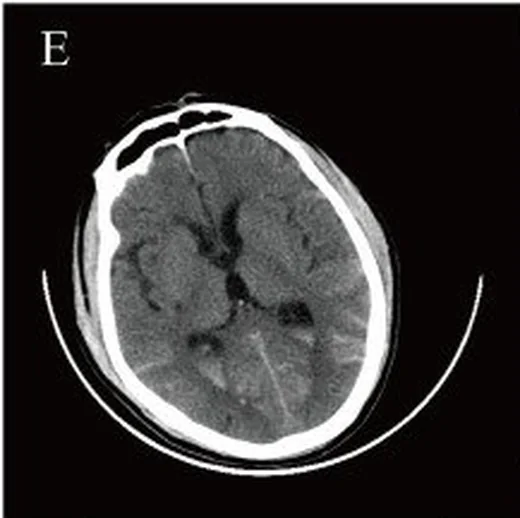
Rotterdam BT skoru, kafa travması sonrası çekilen ilk kontrastsız beyin BT'sindeki seçilmiş anatomik bulguları ortak bir prognostik puana dönüştürür. Özellikle orta-ağır travmatik beyin hasarında araştırma gruplarını ve başlangıçtaki görüntü şiddetini karşılaştırmak için geliştirilmiştir; akut kanama tanısını veya hastanın nörolojik muayenesini ikame etmez. Bazal sistern basısı, belirgin orta hat sapması, epidural hematomun varlığı ve travmatik subaraknoid ya da intraventriküler kan aynı hesapta yer alır. Rotterdam BT skoru, klinik değerlendirmeyi tamamlayıcı bir araçtır ve tek başına prognoz belirlemek için kullanılmamalıdır.
Faz ve pencere
- Kontrastsız tanısal
- İlk travma BT'sinde bazal sisternlerin açıklığı, septum pellusidumun orta hattan sapması, epidural kitle lezyonu ve travmatik sulkal/sisternal veya ventriküler kan aranır. Rotterdam bileşenleri başvuru kontrastsız beyin BT'sinden puanlanır.
Önerilen pencereler G genişlik, M merkez; değerler Hounsfield birimi (HU)
- BeyinG 80 / M +40
BT bulguları
- Bazal sistern görünümü — suprasellar ve perimezensefalik BOS alanları açık, basılı ya da tamamen silinmiş olarak ayrılır.
- Orta hat sapması — septum pellusidumun falx cerebriye göre yer değiştirmesi, skorun eşik temelli bileşenini oluşturur.
- Epidural hematom — lentiform ekstraaksiyel kanama saptanması bu bileşende puan eklemez; lezyonun varlığı yine de ayrı raporlanır.
- Travmatik subaraknoid kan — kortikal sulkuslarda veya bazal sisternlerdeki travmatik kan, intraventriküler kanla aynı ikili bileşene girer.
- İntraventriküler kan — lateral, üçüncü ya da dördüncü ventriküldeki travmatik kan hemorajik bileşenin pozitif kabul edilmesine yeterlidir.
- Toplam puan — bazal sistern durumu, orta hat kayması, epidural kitle lezyonu ve subaraknoid ya da intraventriküler kan bileşenleri Rotterdam skorunda birleştirilir; skor 1–6 aralığındadır.
- Skor dışı yaralanmalar — subdural hematom, kontüzyon, parankimal hematom ve kafatası kırığı toplam puanda ayrı kalem değildir; raporda adlarıyla korunmalıdır.
- Bazal sistern durumu, orta hat kayması, epidural kitle lezyonu ve subaraknoid ya da intraventriküler kan Rotterdam BT skorunun bileşenleridir; skor 1–6 puan aralığındadır. Rotterdam BT skoru bazal sistern durumu, orta hat kayması, epidural kitle lezyonu ve subaraknoid ya da intraventriküler kanı içerir ve 1–6 puan aralığındadır.
Ölçütler ve sınıflamalar
- Rotterdam toplam skor aralığı
- 1–6 puan
- Orta hat kayması puan eşiği
- Orta hat kayması Rotterdam BT skorunun bileşenlerinden biridir.
- Bazal sistern puanlaması
- Bazal sistern durumu Rotterdam BT skorunun bileşenlerinden biridir.
- Epidural kitle lezyonu
- Epidural kitle lezyonunun varlığı Rotterdam BT skorunun bileşenlerinden biridir.
- Travmatik SAH / IVH
- Subaraknoid veya intraventriküler kan varlığı Rotterdam BT skorunun bileşenlerinden biridir.
- Toplam skor hesaplama
- Rotterdam skoru 1–6 puan aralığındadır; bazal sistern durumu, orta hat kayması, epidural kitle lezyonu ve subaraknoid ya da intraventriküler kanı içerir.
- Rotterdam CT score
- Rotterdam CT skoru 1–6 puan aralığındadır ve bazal sistern durumu, orta hat kayması, epidural kitle lezyonu ile subaraknoid veya intraventriküler kanı içerir. Dört bileşen toplanır ve sonuca 1 eklenir; olası toplam 1–6 puandır.
Normalde
Rotterdam BT skorlamasında bazal sistern durumunu, orta hat kaymasını, epidural kitle lezyonunu ve subaraknoid veya intraventriküler kanı ayrı ayrı değerlendirin.
Normal BT ile kıyasla
Aynı bölgenin, kaynak veri setinde patoloji içermediği belirtilen bir BT incelemesini kesit kesit kaydırın; organ sınırlarını açarak anatomiyi hasta görüntüsüyle karşılaştırın. Küçük rastlantısal bulgular tümüyle dışlanmamıştır.
Kaynak: TotalSegmentator v2.01 veri seti (Wasserthal ve ark., Radiology: Artificial Intelligence 2023), CC BY 4.0, vaka s0103; organ sınırları veri setinin otomatik segmentasyonundan, birleştirilerek sadeleştirildi. Görüntüler 2,5 mm kesit aralığına yeniden örneklendi.
Ayırıcı tanı
- Marshall CT sınıflaması
- sistern açıklığı ve orta hat kaymasını farklı kategori kombinasyonlarında kullanır; epidural lezyon ile SAH/IVH için Rotterdam'daki ikili puanları içermez.
- Helsinki CT skoru
- hematom türüne, hacmine, IVH'ye ve sistern durumuna ayrı ağırlık verir; Rotterdam toplamıyla aynı ölçek değildir.
- Travmatik kontüzyon
- kortikomedüller bileşkede yamalı hemorajik odaklar oluşturabilir; kontüzyonun kendisi Rotterdam bileşeni sayılmaz.
- Akut subdural hematom
- falx boyunca uzanan hilal biçimli ekstraaksiyel kanama, kemik iç tabulasına yapışık lentiform epidural koleksiyondan ayrılır.
- İşlem sonrası BT'de kontrast boyanmasına bağlı yeni hiperdensite görülebilir ve bu görünüm patolojik bulguları taklit edebilir; subaraknoid kanı değerlendirirken yakın zamanda kontrast uygulanıp uygulanmadığını sorgulayın.
Tuzaklar
- Epidural bileşenin yönünü ters çevirmek toplamı bir puan saptırır: hematomun mevcut olması bu kalemde sıfır puandır.
- SAH ve IVH birlikte bulunsa da tek hemorajik kalem oluşturur; iki ayrı pozitif bulgu olarak toplama eklenmez.
- Herniasyon veya yaygın ödem varlığında sisternal görünüm yalnız tek bir seviyeden okunursa bası derecesi eksik sınıflanabilir; sisternal uzanım komşu kesitlerde de izlenmelidir.
Kendini dene
Rotterdam BT skoru kaç puan aralığındadır ve hangi dört radyolojik bulguyu içerir?
Cevabı göster
1-6 puan; bazal sistern durumu, orta hat sapması, epidural kitle lezyonu, tSAH/IVH. Kaynaklar Rotterdam skorunun 1-6 puan arasında olduğunu ve bazal sistern durumu, orta hat sapması, epidural kitle lezyonu ile subaraknoid/intraventriküler kanı içerdiğini belirtir.
Rotterdam BT skoru hangi görüntüleme bileşenlerini içerir?
Cevabı göster
Bazal sistern durumu, orta hat kayması, epidural kitle lezyonu ve subaraknoid veya intraventriküler kan. Rotterdam BT skoru 1–6 puan aralığındadır ve bazal sistern durumu, orta hat kayması, epidural kitle lezyonu ile subaraknoid veya intraventriküler kanı içerir.
İlgili konular
Kaynaklar
Bu sayfadaki 42 cümle ve 2 quiz sorusu aşağıdaki kaynaklardan alıntılarla otomatik olarak karşılaştırıldı; 18 cümle bu karşılaştırmada düzeltildi (2026-10-09).
- External validation and comparative performance of Marshall, Rotterdam, and Helsinki computed tomography scores in adult traumatic brain injurypmc.ncbi.nlm.nih.gov
- Integrated optic nerve sheath diameter, glasgow coma scale and computed tomography based model for early prediction of clinically significant brain injury in head trauma: A prospective observational studypmc.ncbi.nlm.nih.gov
- Serum Hepcidin Levels are Associated with Poor Outcomes of Patients with Severe Traumatic Brain Injury: A Two-Center Observational Analytical Studypmc.ncbi.nlm.nih.gov
- Clinical Prognostic Modeling and Paired Blood–CSF Metabolomic Profiling for Outcome Prediction in Isolated Moderate-to-Severe Traumatic Brain Injury: Implications for Neurocritical Care Managementpmc.ncbi.nlm.nih.gov
- Does the Integration of Inflammatory Markers with Clinical Scoring Systems Improve the Prediction of Neurosurgical Intervention in Emergency Department Patients Diagnosed with Traumatic Subarachnoid Hemorrhage?pmc.ncbi.nlm.nih.gov
- Clinical characteristics and outcomes in patients with traumatic brain injury in China: a prospective, multicentre, longitudinal, observational study.pubmed.ncbi.nlm.nih.gov
- Case-mix, care pathways, and outcomes in patients with traumatic brain injury in CENTER-TBI: a European prospective, multicentre, longitudinal, cohort study.pubmed.ncbi.nlm.nih.gov
- 36th International Symposium on Intensive Care and Emergency Medicine : Brussels, Belgium. 15-18 March 2016.pubmed.ncbi.nlm.nih.gov
- Intensive care admission criteria for traumatic brain injury patients across Europe.pubmed.ncbi.nlm.nih.gov
- ICP monitoring in children: why are we not adhering to guidelines?pubmed.ncbi.nlm.nih.gov
- Do traumatic brain contusions increase in size after decompressive craniectomy?pubmed.ncbi.nlm.nih.gov
- Prognostic computed tomography Scores in traumatic brain injury.pubmed.ncbi.nlm.nih.gov
- Surgical outcomes in traumatic brain injuries with bilateral mass occupying lesions. Analysis of prognostic factors.pubmed.ncbi.nlm.nih.gov
- Cost-effectiveness of immediate total-body CT in patients with severe trauma (REACT-2 trial).pubmed.ncbi.nlm.nih.gov
- Severity and predictors of head injury due to bicycle accidents in Western Australia.pubmed.ncbi.nlm.nih.gov
- Outcome after severe brain trauma due to acute subdural hematoma.pubmed.ncbi.nlm.nih.gov
- Utility of the Marshall & Rotterdam Classification Scores in Predicting Outcomes in Trauma Patients.pubmed.ncbi.nlm.nih.gov
- Outcome after severe brain trauma associated with epidural hematoma.pubmed.ncbi.nlm.nih.gov
- A comparative analysis of Rotterdam score and neutrophil-to-lymphocyte ratio in predicting outcomes for patients with moderate to severe traumatic brain injury.pubmed.ncbi.nlm.nih.gov
- External validation and comparative performance of Marshall, Rotterdam, and Helsinki computed tomography scores in adult traumatic brain injury.pubmed.ncbi.nlm.nih.gov
- Development and Internal Validation of an Automated CT-Based Model for Early Mortality Prediction in Traumatic Brain Injury.pubmed.ncbi.nlm.nih.gov
- Improving mortality prediction in older adults with traumatic brain injury: incorporating neurological and imaging scores into Geriatric Trauma Outcome Score.pubmed.ncbi.nlm.nih.gov
- Analysis of the Relationship between Early Clinical Factors and Glasgow Outcome Scale in Patients With Traumatic Brain Injury.pubmed.ncbi.nlm.nih.gov
- Rapid prediction of cerebral edema on CT scan after traumatic brain injury.pubmed.ncbi.nlm.nih.gov
- Does the Integration of Inflammatory Markers with Clinical Scoring Systems Improve the Prediction of Neurosurgical Intervention in Emergency Department Patients Diagnosed with Traumatic Subarachnoid Hemorrhage?pubmed.ncbi.nlm.nih.gov
- AI-Based Approaches for the Identification and Quantification of Traumatic Brain Injury in Computed Tomography Imaging: Systematic Review.pubmed.ncbi.nlm.nih.gov
- Effects of cranioplasty with customized 3D titanium mesh plates on postoperative complications and neurological outcomes following traumatic brain injury or stroke: a single-center retrospective study.pubmed.ncbi.nlm.nih.gov
- Variability in the circulation of cerebrospinal fluid: causes and clinical implications for intraventricular drug delivery.pubmed.ncbi.nlm.nih.gov
- Emerging quantitative CCTA imaging biomarkers for cardiovascular risk stratification: a narrative review.pubmed.ncbi.nlm.nih.gov
- EPIDEMIOLOGY, DIAGNOSIS, MANAGEMENT AND PREVENTION OF STROKE: A NARRATIVE REVIEW.pubmed.ncbi.nlm.nih.gov
- Incidental findings on routine preoperative noncontrast chest computed tomography and chest radiography prior to cardiac surgery in the multicenter randomized controlled CRICKET study.pubmed.ncbi.nlm.nih.gov
- Correlation of Optic Nerve Sheath Diameter With Severity and Outcome in Head Injury: Ultrasonographic and CT Evaluation.pubmed.ncbi.nlm.nih.gov
- Decision-making for emergency craniotomy in traumatic intracranial hemorrhage with severe thrombocytopenia and coagulopathy in a patient with suspected acute leukemia: A case-based review.pubmed.ncbi.nlm.nih.gov
- In-hospital unexpected cerebral herniation-New neurosurgical quality control standards: A case report.pubmed.ncbi.nlm.nih.gov
- Preoperative CT markers and poor discharge functional status after burr-hole drainage for chronic subdural hematoma: a retrospective cohort study.pubmed.ncbi.nlm.nih.gov
- Development and Internal Validation of the CLIMPOUT Score: A Multimodal Prediction Model for Neurological Outcome After Pediatric Intracerebral Hemorrhage.pubmed.ncbi.nlm.nih.gov
- Development and validation of a clinical nomogram for predicting 30-day in-hospital mortality in children with moderate-to-severe traumatic brain injury.pubmed.ncbi.nlm.nih.gov
- Association of cerebral microdialysis monitoring with clinical outcomes after traumatic brain injury; A systematic review.pubmed.ncbi.nlm.nih.gov
- Paroxysmal sympathetic hyperactivity risk modeling based on transients in time series describing the autonomic nervous system and cerebral hemodynamics.pubmed.ncbi.nlm.nih.gov
- Impact of Cranioplasty Timing and Status on Long-Term Survival and Functional Outcomes After Decompressive Craniectomy for Severe Traumatic Brain Injury.pubmed.ncbi.nlm.nih.gov
- Traumatic intraventricular haemorrhages: clinical indicators determining morbidity and mortality in paediatric patients.pubmed.ncbi.nlm.nih.gov
- A Review of Automated Methods for Detection of Myocardial Ischemia and Infarction Using Electrocardiogram and Electronic Health Records.pubmed.ncbi.nlm.nih.gov
- Spontaneous bacteremia and spontaneous bacterial peritonitis share similar prognosis in patients with cirrhosis: a cohort study.pubmed.ncbi.nlm.nih.gov
- Commentary: an eye on PET quantification.pubmed.ncbi.nlm.nih.gov
- Deciphering the effectiveness of computed tomography scoring systems in improving mortality prediction for traumatic brain injury: a systematic review and bibliometric analysis.pubmed.ncbi.nlm.nih.gov
- Association of Marshall CT Scores with GFAP, UCH-L1, Tau, NfL, and p-Tau231 After Traumatic Brain Injury.pubmed.ncbi.nlm.nih.gov
- Enhancing hospital course and outcome prediction in patients with traumatic brain injury: A machine learning study.pubmed.ncbi.nlm.nih.gov
- Development and validation of a prognostic computed tomography scoring model for functional outcomes in patients with large hemispheric infarction following decompressive craniectomy.pubmed.ncbi.nlm.nih.gov
- Evaluation of novel computerized tomography scoring systems in human traumatic brain injury: An observational, multicenter study.pubmed.ncbi.nlm.nih.gov
- Phantom-based evaluation of radiomics feature stability for low-dose CT lung cancer screening.pubmed.ncbi.nlm.nih.gov
- Protocol for RETRO-TBI: A prospective cohort study of mild traumatic brain injury in older adults.pubmed.ncbi.nlm.nih.gov
- Progression of Structural Lung Disease in Different <i>Aspergillus fumigatus</i> Disease Phenotypes in Children with CF.pubmed.ncbi.nlm.nih.gov
- Predicting Traumatic Brain Injury Outcomes: The Intersection of Clinical Signs, Laboratory Indicators and Radiology.pubmed.ncbi.nlm.nih.gov
- Trans-sylvian hematoma evacuation combined with lamina terminalis ventriculostomy for hypertensive basal ganglia hemorrhage: a retrospective cohort study.pubmed.ncbi.nlm.nih.gov
- Risk factors for post-traumatic hydrocephalus after decompressive craniectomy in patients with traumatic brain injury.pubmed.ncbi.nlm.nih.gov
- Do Serum Brain Biomarkers Differentiate the Hemorrhagic Head Injury Lesion Phenotypes? An Interim Analysis of an On-Going Randomized Clinical Trial.pubmed.ncbi.nlm.nih.gov
- Neurological complications following cerebral angiography: a case of contrast-induced encephalopathy.pubmed.ncbi.nlm.nih.gov
- Contrast Staining in Noninfarcted Tissue after Endovascular Treatment of Acute Ischemic Stroke.pubmed.ncbi.nlm.nih.gov
- Fully Reversible Contrast-Induced Encephalopathy Mimicking Stroke after Flow Diverter Treatment of Carotid Cave Aneurysm.pubmed.ncbi.nlm.nih.gov
- 2025 Heart Disease and Stroke Statistics: A Report of US and Global Data From the American Heart Association.pubmed.ncbi.nlm.nih.gov
- 2024 Heart Disease and Stroke Statistics: A Report of US and Global Data From the American Heart Association.pubmed.ncbi.nlm.nih.gov
- Heart Disease and Stroke Statistics-2023 Update: A Report From the American Heart Association.pubmed.ncbi.nlm.nih.gov
- Safety and efficacy of a 3D-printed external cranial protection device in preventing complications after unilateral supratentorial decompressive craniectomy: A retrospective cohort study.pubmed.ncbi.nlm.nih.gov
- Similarities in the Electrographic Patterns of Delayed Cerebral Infarction and Brain Death After Aneurysmal and Traumatic Subarachnoid Hemorrhage.pubmed.ncbi.nlm.nih.gov
- Blind spots in brain imaging: a pictorial essay.pubmed.ncbi.nlm.nih.gov
- The diagnostic yield of repeat computed tomography angiography in cases of spontaneous subarachnoid haemorrhage after negative initial digital subtraction angiography.pubmed.ncbi.nlm.nih.gov
- Standardized approaches for clinical sampling and endpoint ascertainment in tuberculous meningitis studies.pubmed.ncbi.nlm.nih.gov
- A decision tree model for hematoma expansion prediction in women after spontaneous intracerebral hemorrhage.pubmed.ncbi.nlm.nih.gov
- Hypertonic saline versus mannitol for brain relaxation in supratentorial tumor surgery: a prospective randomized trial.pubmed.ncbi.nlm.nih.gov
- Neuroimaging Patterns of Intracranial Infections: Meningitis, Cerebritis, and Their Complications.pubmed.ncbi.nlm.nih.gov
- Emergency bedside evacuation of a subset of large postoperative epidural hematomas after neurosurgical procedures.pubmed.ncbi.nlm.nih.gov
- Imaging of Intracranial Hemorrhage.pubmed.ncbi.nlm.nih.gov
- Robust multicentre detection and classification of colorectal liver metastases on CT: application of foundation models.pubmed.ncbi.nlm.nih.gov
- Detection and classification of brain tumor using a hybrid learning model in CT scan images.pubmed.ncbi.nlm.nih.gov
- Comparing Predictive Utility of Head Computed Tomography Scan-Based Scoring Systems for Traumatic Brain Injury: A Retrospective Study.pubmed.ncbi.nlm.nih.gov
- Risk stratification for significant acute traumatic intracranial hemorrhage in older adults after a ground-level fall: A prospective multicentre cohort study.pubmed.ncbi.nlm.nih.gov
- Neuroimaging for neurovascular complications of traumatic brain injury.pubmed.ncbi.nlm.nih.gov
- Development and Proof-of-Concept Evaluation of a Structured Reporting Template for Emergency Radiology Using Synthetic Cases.pubmed.ncbi.nlm.nih.gov
- The association between preoperative body composition and aerobic fitness in patients scheduled for colorectal surgery.pubmed.ncbi.nlm.nih.gov
- Prognostic models for predicting clinical disease progression, worsening and activity in people with multiple sclerosis.pubmed.ncbi.nlm.nih.gov
- Scientific opinion on the tolerable upper intake level for preformed vitamin A and β-carotene.pubmed.ncbi.nlm.nih.gov
- Integrated optic nerve sheath diameter, glasgow coma scale and computed tomography based model for early prediction of clinically significant brain injury in head trauma: A prospective observational study.pubmed.ncbi.nlm.nih.gov
- Clinical benefit without sweat chloride response after ETI therapy in an adult with cystic fibrosis bearing the L467F;F508del complex <i>CFTR</i> allele: a case report and the role of AI-assisted chest CT in longitudinal monitoring.pubmed.ncbi.nlm.nih.gov
- Correlation between perioperative red blood cell transfusion strategy and 3-month neurological outcomes in patients undergoing craniotomy for traumatic brain injury.pubmed.ncbi.nlm.nih.gov
- Score to scan: Is there a link between Glasgow Coma Scale score and CT neuroimaging findings in trauma?pubmed.ncbi.nlm.nih.gov
- A novel algorithm for the continuous determination of individualized intracranial pressure (iICP) thresholds using a multi-window weighted approach.pubmed.ncbi.nlm.nih.gov
- Dynamic multi-omics and mechanistic modeling approach uncovers novel mechanisms of kidney fibrosis progression.pubmed.ncbi.nlm.nih.gov
- ZNF143 is a transcriptional regulator of nuclear-encoded mitochondrial genes that acts independently of looping and CTCF.pubmed.ncbi.nlm.nih.gov
- Automated Detection and Screening of Traumatic Brain Injury (TBI) Using Computed Tomography Images: A Comprehensive Review and Future Perspectives.pubmed.ncbi.nlm.nih.gov
- Validation of a commercially available CAD-system for lung nodule detection and characterization using CT-scans.pubmed.ncbi.nlm.nih.gov
- Cerebrospinal fluid volume improves prediction of malignant edema after endovascular treatment of stroke.pubmed.ncbi.nlm.nih.gov
- Early knee OA definition-what do we know at this stage? An imaging perspective.pubmed.ncbi.nlm.nih.gov
- Associations of NMR metabolic biomarkers and arterial calcification: An observational and Mendelian randomization study within the BBMRI metabolomics consortium.pubmed.ncbi.nlm.nih.gov
- Unloader brace or high tibial osteotomy in the treatment of the young patient with medial knee osteoarthritis: a randomized controlled trial.pubmed.ncbi.nlm.nih.gov
- Robust inference and correlates from genetic associations with personality.pubmed.ncbi.nlm.nih.gov
- High-affinity alphavbeta3 integrin targeted optical probe as a new imaging biomarker for early atherosclerosis: initial studies in Watanabe rabbits.pubmed.ncbi.nlm.nih.gov
- Mid-Term Outcomes and Prognosis of Decompressive Craniectomy in Severe Traumatic Brain Injury.pubmed.ncbi.nlm.nih.gov
- Development and validation of intracranial hypertension prediction models based on radiomic features in patients with traumatic brain injury: an exploratory study based on CENTER-TBI data.pubmed.ncbi.nlm.nih.gov
- A novel CT-based edema grading system combined with machine learning for precise prognostic prediction in traumatic brain injury.pubmed.ncbi.nlm.nih.gov
- CT-positive traumatic brain injury in patients ≥ 80 years: mortality and 6-months functional outcome.pubmed.ncbi.nlm.nih.gov
- Serum Hepcidin Levels are Associated with Poor Outcomes of Patients with Severe Traumatic Brain Injury: A Two-Center Observational Analytical Study.pubmed.ncbi.nlm.nih.gov
- EACR 2025 Congress: Innovative Cancer Science, 16-19 June 2025.pubmed.ncbi.nlm.nih.gov
- Automating Clinical Score Calculation within the Electronic Health Record. A Feasibility Assessment.pubmed.ncbi.nlm.nih.gov
- Low-frequency and rare exome chip variants associate with fasting glucose and type 2 diabetes susceptibility.pubmed.ncbi.nlm.nih.gov
- Brain Shift Patterns: Upward, Lateral and Downward Herniation, Its Correlation with Clinical Patterns in Acute Intracranial Pathologies and Neurosurgical Management.pubmed.ncbi.nlm.nih.gov
- Giant Right Sphenoid Wing Meningioma as a Reversible Frontal Network Lesion: A Pseudo-bvFTD Case with Venous-Sparing Skull-Base Resection.pubmed.ncbi.nlm.nih.gov
- A systematic approach to detection of epileptogenic foci on imaging: protocols, entities, search pattern, and reporting tools.pubmed.ncbi.nlm.nih.gov
- Predictors of Intracranial Hemorrhage on Initial Head Computed Tomography After Mild Traumatic Brain Injury.pubmed.ncbi.nlm.nih.gov
- Clinical, Laboratory, and Radiological Predictors of Three-Month Outcome After Surgical Treatment of Acute Extra-Axial Hematomas.pubmed.ncbi.nlm.nih.gov
- Machine learning-based triage model for elderly traumatic brain injury patients in Chinese emergency department.pubmed.ncbi.nlm.nih.gov
- Prognostic value of volume-based metabolic parameters of [<sup>18</sup>F]FDG PET/CT in anaplastic thyroid carcinoma.pubmed.ncbi.nlm.nih.gov
- Feasibility study on intracranial pressure and prognosis of patients with moderate and severe craniocerebral injury using the Rotterdam computed tomography score: an observational study.pubmed.ncbi.nlm.nih.gov
- Diagnosis of in-hospital mortality using admission CT perfusion in severe traumatic brain injury patients (ACT-TBI study).pubmed.ncbi.nlm.nih.gov
- Prognostic Value of Initial Diagnostic Imaging Findings for Patient Outcomes in Adult Patients with Traumatic Brain Injury: A Systematic Review and Meta-Analysis.pubmed.ncbi.nlm.nih.gov
- Unravelling Secondary Brain Injury: Insights from a Human-Sized Porcine Model of Acute Subdural Haematoma.pubmed.ncbi.nlm.nih.gov
Eğitim amaçlıdır; hasta başında tanı ve tedavi kararının yerine geçmez, tıbbi tavsiye değildir. Metinler yapay zekâ desteğiyle yazıldı ve otomatik bir adımda kaynak alıntılarıyla karşılaştırıldı; bu bir tıbbi doğrulama değildir ve içerik uzman radyolog incelemesinden geçmedi. Klinik kararlarda güncel kılavuzları, kurum protokollerini ve radyoloji raporunu esas alın.